
Podcast Agency

An outside podcast partner brings more than production support. Jen Moss explains how editorial distance, audience understanding and clear measurement can help a company build a better show.

An outside podcast partner brings more than production support. Jen Moss explains how editorial distance, audience understanding and clear measurement can help a company build a better show.

Should your CEO start a podcast? Learn when executive podcasts work, what to avoid, how to launch one, and how to measure business and audience results.
Should your company start a podcast? Before you buy microphones or book guests, use these seven questions to test the job, audience, idea, distribution strategy and business result.
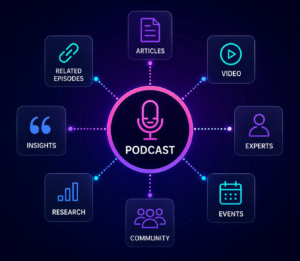
Most branded podcasts are still treated as shows. Jen Moss explains how brands can turn one flagship podcast into a connected content hub that builds authority, extends ideas and compounds intellectual equity over time.

Great branded podcast storytelling in regulated industries starts by understanding legal, medical and compliance boundaries, then getting creative inside them.

Learn how technical and specialized brands can turn complex subjects into useful, memorable podcasts that earn the right audience’s attention.
Most creator marketing rents attention. Creator-led branded shows give brands the chance to build an audience asset people return to.

Podcasting no longer looks or behaves like one medium. Audio, video, creators, brands and platforms now share an increasingly complicated ecosystem. JAR co-founder Jen Moss argues that the confusion is not evidence that podcasting has lost its way. It is evidence that the medium has grown.

How job-based podcast design connects business purpose, audience needs, creative strategy, distribution and measurement before anyone presses record. Job-based podcast design begins with one question:
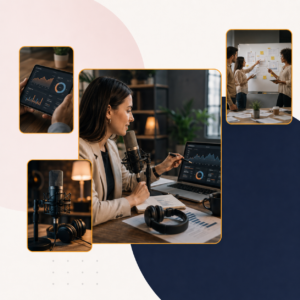
Downloads are useful, but they rarely prove that a branded podcast is doing its job. Here is how to build a podcast measurement framework around the outcomes your organization actually cares about.
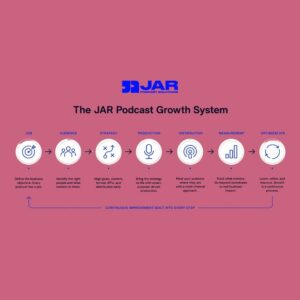
Most branded podcasts don’t fail because of poor production. They fail because audience growth is treated as something that happens after launch. Here’s how to design growth into your podcast from day one by aligning business goals, audience strategy, KPIs, distribution, and measurement before recording Episode One.
Choosing a podcast agency based on microphones, cameras, and studio setups is like hiring a football coach because they own a whistle. This article explores the questions that actually matter, from audience strategy and business objectives to distribution, measurement, and ROI, and why the best podcast partners focus on outcomes long before they talk about equipment.
Moving your podcast to YouTube isn’t as simple as uploading the audio and hoping for the best. This article explores how video changes podcast discovery, audience behavior, and storytelling, and why the best podcast strategies treat audio and YouTube as two very different relationships.
AI can now generate a podcast from start to finish, but “automatic” doesn’t mean effective. In this guide, we break down the most popular AI podcasting tools, where they add real value, and where they quietly erode trust. If your goal is influence, not just output, the answer isn’t choosing AI or humans. It’s knowing exactly where each belongs.
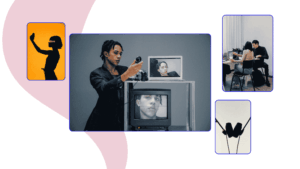
What happens when creators try to translate immersive, sound-rich storytelling into a visual platform designed for speed, thumbnails, and watch time? This article explores the growing tension between intimacy and discoverability, and the creative experiments emerging as narrative podcasters rethink what video is actually for.

A good podcast idea is rarely enough on its own. Before you launch, ask these five questions to clarify your audience, find your unique angle, and shape your idea into a show people genuinely want to hear.

Most weak podcast ideas are not bad ideas. They are simply underdeveloped. This article explores five common signs that your show concept needs more clarity around audience, format, point of view, and consistency before it is ready to launch.
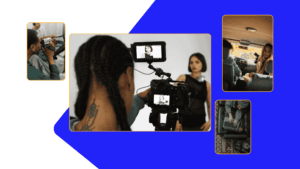
Sometimes you can feel the exact moment a conversation changes. It stops feeling like something that is simply being recorded and starts feeling like something people will actually want to watch. A guest leans forward. Someone laughs harder than expected. A pause lands differently because you can see it in their face. These are the moments that explain why video podcasts work. They create a sense of presence, emotion and connection that audio alone cannot always deliver.
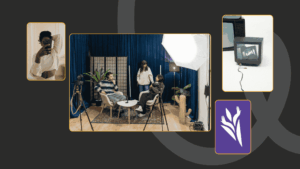
BC Schizophrenia Society made the shift from audio to video podcasting. The goal? To create more space for people living with schizophrenia to be seen and heard. In one powerful moment, a guest named Abigail shared what recovery really looks like, and the camera captured something words alone could not.
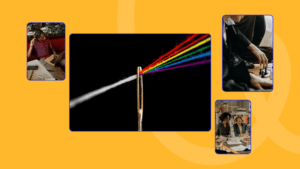
Most podcasts start with good intentions but struggle to find their shape. This story explores how the best shows come together through clarity, collaboration, and a concept strong enough to carry an audience forward.

Long-running podcasts don’t usually fail. They drift. What starts with intention slowly turns into autopilot, where consistency replaces curiosity and structure hardens into habit. This article explores how small, thoughtful changes in voice, format, sound, and process can refresh a branded podcast without blowing it up or losing audience trust.

Most creators say they’re “doing it for the algorithm,” but what does that actually mean and how much power should it have over your work? This article breaks down what podcast algorithms really pay attention to, what they completely miss, and why treating them as an authority can quietly erode creativity, trust, and long-term audience relationships.

Some of the most important sales work happens before a prospect ever meets you. This article explores how podcasts quietly shape buying intent, build trust and influence expectations long before the first call.

As audiences grow more skeptical of polished corporate messaging, leadership authenticity is being redefined. This article unpacks why real-time reasoning and unscripted conversation build deeper trust than scripted content ever could.

Every podcast begins with an audience persona, but the most powerful listeners often sit outside that imagined profile. These shadow audiences appear in unexpected places and carry your stories into moments you could never plan for. This is how real podcast audience growth happens. When you create with care and honesty, your stories travel along lines of resonance rather than demographics. They move through quiet networks, reach people with fresh perspectives, and reveal the deeper human connection behind your work.
When a show consistently delivers clarity, trust, and relevance, it becomes the default voice of its industry. Think RBC’s Disruptors shaping Canada’s innovation dialogue, or Amazon’s This Is Small Business giving entrepreneurs a stage. These podcasts don’t just engage audiences, they set the agenda, build belonging, and elevate brands into industry leadership. Done right, an industry podcast transforms your brand from participant to trusted authority.
Every company has one: the dreaded communication graveyard. It’s full of unread intranet posts, unopened “all-staff” emails, and long PDFs no one finishes. This is intranet fatigue. An employee communication podcast changes that. By letting people hear leaders’ voices, celebrate milestones, and connect through authentic storytelling, podcasts transform corporate updates into moments of belonging. From hybrid workers on the go to global teams bridging distance, internal podcasts make culture portable, human, and real.
When goals are fuzzy, the audience undefined, and success metrics missing, even the best-sounding episodes will stall. The good news? With a clear podcast pre-production strategy, you can avoid wasted effort and build a show that delivers real business impact. At JAR Podcast Solutions, we use the MEDIA + JOB + FORMAT + LEVEL framework to align purpose, audience, and production before anyone hits record. Intentional shows earn attention and loyalty; rushed ones fade fast.

At JAR Podcast Solutions, we believe audio storytelling should feel cinematic. In this piece, CCO Jen Moss breaks down how sound design, pacing, and strategic silence come together to build vivid, immersive podcast scenes. From whale-song “orcastras” to sonic transitions and emotional cues, she shares techniques that turn audio-first storytelling into a full-sensory journey — one beat, one breath, one moment at a time.

Audio podcasting is invisible filmmaking, and every sonic choice shapes what your listener sees in their mind. In this post, we break down essential sound design and editing techniques that elevate audio storytelling: wild tracks, dialogue pacing, ambient noise, vocal delivery, foley, and more.

Why do we instinctively want to break the rules, like touching a “Do Not Touch” sign? That’s audience psychology at work, and it matters more than you think in podcast marketing. This post dives into the power of psychological reactance, how it shapes listener behavior, and how smart podcasters can use it to spark curiosity, build trust, and keep audiences coming back for more.

Everyone thinks podcast hosting is easy… until they try it. In this candid post, JAR’s Chief Creative Officer shares real confessions from first-time hosts and the behind-the-scenes coaching that helps them find their voice.

Most branded video podcasts look good but go nowhere. At JAR, we believe video should do more than sit on YouTube — it should drive your funnel. From LinkedIn lead gen to TikTok engagement, we break down how to transform your show into a multi-channel growth engine. If your video podcast isn’t pulling its weight, this is your blueprint for making it count.
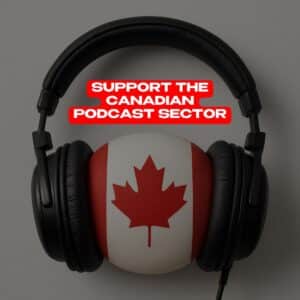
Podcasting in Canada is thriving. Audiences are growing. New voices are breaking through. But government support? Still stuck in the past. This week, Canadian podcast creators came together to demand change with an open letter to Canadian Heritage calling for funding, recognition, and policy updates that reflect podcasting’s cultural power. If you care about diverse, independent Canadian stories, now’s the time to speak up.
Most branded podcasts miss the mark because the concept isn’t built to earn trust. This piece lays out a no-fluff approach to crafting a show that’s clear on purpose, audience-savvy, and worth listening to.

What makes someone skip a podcast, or share it? In this post, we break down how creative direction fuels branded content engagement and sharpens podcast positioning, with real-world examples from us at JAR Audio.
Dull content is expensive. In the world of branded podcasts, playing it safe means paying more to get noticed. This piece explores why creativity, craft, and audience insight are essential if you want your show to stand out and stick.
Storytelling in podcasts can be powerful, but only when grounded in strategy. Here are a few lessons from the field on how to align creative podcasting with clear business goals, audience insight, and smart promotion.

Podcasts are more than a trend, they’re a powerful tool for education. Learn how schools and EdTech platforms can use audio storytelling to connect, educate, and inspire a new generation of learners.
In a world where trust and transparency matter more than ever, government and nonprofit organizations are using podcasts to cut through the noise and connect with the public. Whether it’s explaining complex policies, sharing human stories, or combating misinformation, podcasts offer a powerful, accessible way to engage audiences. How? Keep reading.

Once taboo, money is now a conversation everyone’s having, and podcasts are leading the charge. From big names like RBC and Morgan Stanley to challenger brands and credit unions, the smartest players in finance are using podcasts to build trust, spark conversation, and show the real-world impact of money.
From patient education to professional training, podcasts are transforming healthcare communication. Today’s healthcare brands are using audio to break down complex topics, build trust and create deeper connections with the people they serve. Here’s how branded healthcare podcasts are changing the conversation.

Dig into the ethical complexities, “slings, and arrows” of contemporary podcasting: Discover how your brand can stand firm on its values while effectively engaging with a dynamic social climate and diverse audiences.

We’re excited to announce JAR’s 3rd Emerging Women in Podcasting Pilot Competition! The winner gets a professionally produced audio podcast pilot episode, with full support from JAR’s talented team.

Writing is messy, human, and real—just like great podcasts. The best brands get that.

Corporate media faces a new challenge: balancing sensationalism with meaningful storytelling. Learn how branded podcasts are reshaping media in 2024, fostering trust, humor, and ethical engagement in the digital age.

Spotify’s latest tools for creators push video podcasting into the spotlight, challenging YouTube and redefining podcasting. But as brands and creators follow suit, they must ask: Does each medium demand its own storytelling approach? Explore the enduring magic of audio storytelling and why it still holds unmatched power.

Discover how nostalgia and cultural touchpoints, like pinball games and classic storytelling, can transform your branded podcast into an emotional connection powerhouse. Learn how fun, creativity, and shared experiences help podcasts resonate deeply with audiences, while building lasting brand loyalty.
Not all content is created equal. Learn why true connection should be the goal of your content, and how podcasts create deeper engagement than traditional media.

Discover the power of podcasts in increasing customer loyalty. Find out why podcasts work and how they can benefit your business.
Explore the essentials of corporate podcast production, including how to engage audiences, choose the right partners, and measure success effectively. Learn from industry leaders on creating impactful branded podcasts.

Learn from Andrea Rathborne, an emerging podcaster, and the winner of the 2024 JAR Audio Pilot Competition. Learn about her journey, vision, and podcast “Half Betty.”
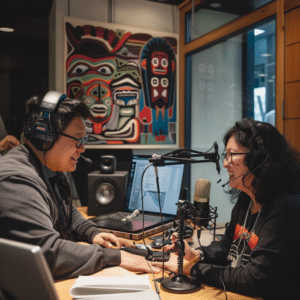
Learn about the rise of Indigenous podcasts, their cultural impact, and how they are reshaping media by preserving and celebrating Indigenous voices and stories.

Explore the best podcast trailer examples and learn how to create a compelling trailer that captures your audience’s attention and drives subscriptions.
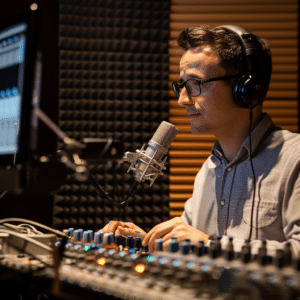
Discover how to find the best podcast producers to elevate your brand’s voice, reach new audiences, and create high-quality, engaging podcasts.
Learn how to create compelling content for your brand podcast with these tips and strategies to engage your audience and build brand loyalty.

My day job is co-running a branded podcast agency, but I moonlight as a Lecturer in Creative Writing at the University of British Columbia. Here’s what I learned letting my students use AI.

Jen Moss shares a secret weapon for podcasters: framing devices. Transform your interview show from overlooked to unforgettable with strategies that make every episode a must-listen.
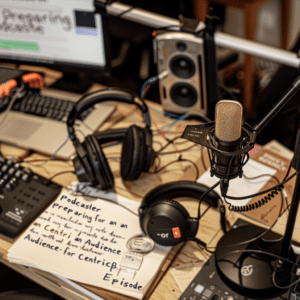
In the evolving landscape of branded podcasts, understanding and engaging your podcast audience is crucial. This post delves into successful strategies used by leading brands to create meaningful connections through storytelling and authenticity.

Explore effective brand storytelling techniques to make your podcast not just heard but felt. Learn how to weave authenticity and emotion into your brand narrative.
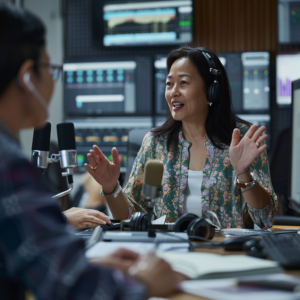
Learn crucial strategies for branded podcast producers on how to capture and maintain listener engagement within the first five minutes, ensuring your audience’s time is respected and valued.

This blog explores essential strategies for enhancing podcast engagement, turning listeners into loyal fans, and building a community around your brand’s narrative.

Discover how a branded podcast can elevate your marketing strategy, build deeper connections with your audience, and establish your brand as an industry leader.
Jen Moss explores the connection between podcasting and walking.

Discover the compelling reasons to invest in fiction podcasts, from transforming novels into captivating audio dramas to engaging new audiences through immersive storytelling.

Explore how a humor branded podcast can transform your marketing strategy by engaging audiences with a blend of humor, unexpected twists, and compelling storytelling.

JAR Audio clients are finalists in many Signal Awards categories.

Discover key insights from Sounds Profitable podcast research and learn how to apply them to enhance your branded podcast marketing and audience engagement strategies.
Learn key content marketing lessons from Barbie movie to create engaging and successful branded podcasts. Discover strategies for audience engagement, emotional storytelling, and more.

Explore the importance of sound design in podcasts and discover how it elevates your branded content by enhancing emotional engagement, consistency, and listener experience.

Learn about the power of reciprocity in marketing and how it can transform your branded podcasts by building customer loyalty, emotional engagement, and providing genuine value.

Learn about the importance of podcast music selection, best practices for choosing the right tracks, and how exclusive rights or commissioned music can enhance your branded podcasts.
The essential ingredients for a narrative and why your branded podcast needs good storytelling.

Discover the key strategies for landing podcast guests who can transform your show. Learn how to secure engaging speakers and manage guest logistics seamlessly.

Discover essential B2B podcast naming strategies that can help you develop a compelling and memorable name for your business podcast, ensuring it resonates with your target audience.

YouTube isn’t just for video any more, it’s a visual component helping to reach your desired audience and embrace the new shift in where (and how) people enjoy their podcast experience.

Dive into the impact of audio storytelling and discover how it can enhance emotional connection, improve memory retention, and transform listener experiences.

Jen Moss talks about the value of writers on your branded podcast.

Learn the importance of selecting the right podcast topics, stories, and angles to create content that resonates with your audience and keeps them engaged.

Discover how effective project management enhances podcast production, ensuring efficiency, client satisfaction, and high-quality results. Learn from JAR Audio’s approach.

Discover the art of effective content marketing. Learn how brevity and audience understanding can boost engagement and make your marketing strategies more impactful.

Discover how to build brand trust through content marketing. Learn strategies and insights to create content that engages and earns audience trust.
Learn about innovative corporate podcast formats that go beyond traditional interviews to create dynamic and engaging shows for your brand.

Learn how to craft engaging Gen Z podcasts. Discover essential tips on aesthetics, inclusivity, and addressing pain points for young audiences.

Discover how video podcasts can boost your brand’s reach and engagement. Learn essential strategies for creating impactful video podcasts that resonate with your audience.

Discover how to use branded podcasts to enhance your marketing strategy. Learn the best practices for strategic brand mentions and creating engaging content.
Discover how diverse podcast content can enhance your marketing strategy, boost brand awareness, and engage your audience effectively. Learn more here.

Learn how to determine the best podcast episode length to maximize engagement and retain listeners. Discover strategies for both short and long podcast episodes.

When it comes to a branded podcast, topic choice matters. In this 4-minute read, we explore how a thoughtfully curated series can shape your brand, move your listeners, and make real change around the world.
Learn essential tips on how to name your podcast, whether to choose a creative or descriptive name, and how to optimize for search engines without violating platform guidelines.

This article explores the benefits of internal podcasts, highlighting how they enhance communication, ensure information security, and boost employee engagement and productivity.
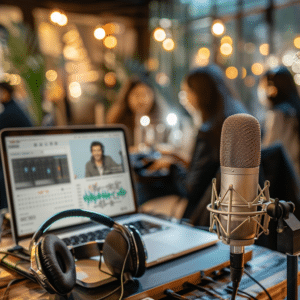
Discover how JAR Audio’s Podcast Strategy Workshop can help you create, market, and optimize your podcast for success.
Learn how to master the podcast search with expert tips and tricks. Discover the best podcasts tailored to your interests using newsletters, social media, app features, and more.

There are very few marketing mediums that can build brand affinity as well as a podcast.

When are we going to see the “big one” in branded podcasts?
There are a lot of decisions that go into making your own brand podcast. We break down the truth.

This could be a watershed moment for marketers.

Discover the transformative impact of a consumer brands podcast on experiential marketing, driving deeper engagement and emotional connections.

We make the business case for brand podcasts.