

Discover How Brand Storytelling Techniques Can Transform Your Podcast into a Captivating Experience Through the Film Stories We Tell.
I recently re-watched the genre-busting documentary Stories We Tell, made by the National Film Board of Canada in 2012. If you haven’t seen it yet, go and watch it. Seriously. It’s directed by Canadian creative powerhouse Sarah Polley, who recently made Women Talking. Back in 2012, Polley’s career was ascending the same way Greta Gerwig’s is now. This autobiographical film tells the true story of a family mystery. It’s an interrogation of truth, of love, and of storytelling itself — and it’s brilliant.
In fact, this was the film that made me want to tell stories in a better way.
Now, as Chief Creative Officer at a podcast company that works with leading brands and organizations, this is what I’m still trying to do. My job, essentially, is to help clients define what story they are telling through their podcast, why they are telling it, and to whom. Every day, I challenge brands to think deeply about what their audience actually needs, and how to deliver it so that it deepens the audience’s relationship with the brand in a positive way. In a world that is saturated with messaging, AI content, and clickbait, here’s one of the very few things I know to be true: Audiences like their podcasts to be authentic, whether they come from a brand or from the thriving indie podcast world.
It’s impossible to overstate how critical it is for any podcast to tell a story that “feels true” to an audience. Failing to do this means your audience loses interest and drops off. People have highly developed bulls*it meters when it comes to podcasting, and they can smell an advertorial from miles away. Let’s face it: nobody wants to be sold a bill of goods when they’re just trying to listen to a podcast while out walking the dog. So, if you’re a brand, how do you accomplish this in a way that still serves your business goals? How do you offer something “true”?
Somewhat counterintuitively, I think the answer lies in fiction. Hear me out:
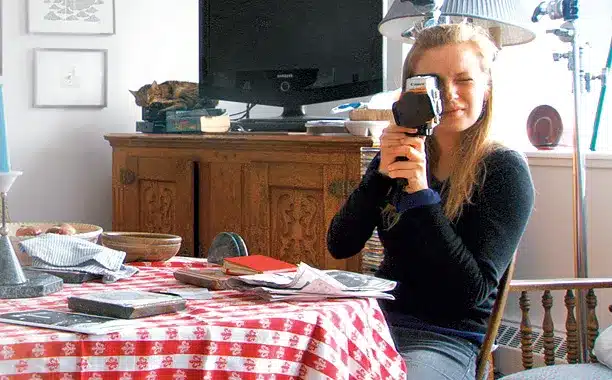
In the film, Polley explores the often-porous line between documentary and fiction. She uses well-known fiction techniques to tell a real story. For example, she hires actors and gives them lines to read, which immediately shifts us away from the traditional “fly on the wall” documentary style. She also creates fake “home movies” that look real and that the viewer accepts as real, only to have their assumptions challenged when Polley pulls back the camera to show herself interacting with the actors. There is something very powerful about watching a daughter trying so hard to recreate the missing pieces of her childhood under hot lights and surrounded by actors. It’s evidence of a deeply real and deeply moving search for truth.

At the same time, Polley deploys standard documentary techniques to expose various “fictions” and narrative contradictions that her family has held onto for decades. For instance, she interviews family and friends in traditional documentary-style, sit-down interviews. Ostensibly, her goal is to learn more about her mother, who died when she was eleven. What she reveals through this collective interview process, however, is that no two people have the same story about her mom. One person says she was “guileless,” and another says she “kept secrets.”. Family secrets. So, which is it? Polley leaves both opinions in the film because she wants to challenge our assumption that there is one version of the truth. She wants to show that truth is a subtle, elusive target. Ultimately, Polly demonstrates the idea that truth is completely subjective, even in a “non-fiction” form like a documentary. She reveals our lives to be stories that we tell — nothing more, nothing less.
Alright, so how do brand storytelling techniques apply to your brand and your goals? Employing fiction techniques in your nonfiction podcast is an excellent strategy to delve deep into your subject matter, unveil the core emotions of your story, and forge an authentic connection with your audience. I talk to brands daily, and in doing so, I encounter a lot of very straightforward, “just the facts, ma’am” approaches to storytelling. It’s usually some version of, “Let’s tell our customers exactly what we do.” And I get it. You’re proud. You’ve worked hard to develop a product, a service, or a message. So you want to shout about your accomplishments from the rooftops. You want to set them down in black and white. Here’s the thing: that’s not what a podcast does best. That sounds more like a job for a bus ad or a website.
A podcast, on the other hand, can get at a more subtle version of the truth. One that explores the territory your brand occupies in a fuller way, that lets the voices of your audience (or your employees) be heard, that entertains or educates people on a subject they care about, or that shows (rather than tells) the world what your brand values are. One of the best ways to do all of this is to use the flexible tools of fiction storytelling to make your branded podcast stand out from the crowd.
Here’s what using fiction storytelling techniques in non-fiction branded podcasts might look like
- Leaning into sound design to create the sense of “being there,” even if you weren’t.
- Adding robust sound effects and music to create mood.
- Scripting and pacing your episode carefully to ensure that you are building towards an emotional climax.
- Telling a story “beat-by-beat” — something that will keep the listener more engaged.
- Trying out “docudrama” by creating an imaginative short dialogue exchange and using it to illustrate a moment, a relationship, or a concept within the larger framing of a non-fiction podcast.
- Telling a real story through the mouths of imaginary characters.
- Fully embracing a scripted fiction form such as a fictionalized B2B True Crime story or even a fictionalized Documentary.
Fictional elements, immersive sound design, pacing, scripted dialogue, and other poetic embellishments are all ways to lean into the podcast medium and get the most out of it.
It’s important to note that using the techniques of fiction storytelling does not mean you lie or gloss over the truth. It means you use the tools available to you to make the truth more accessible, more understandable, more resilient to the changing podcast landscape, and more impactful. Ultimately, the tools of fiction are like the knife of a stone carver. You’re the carver, and you use them to reveal the truth at the centre of your story.
5 key takeaways on brand storytelling techniques
- Fiction Techniques Enhance Truth: Using fiction storytelling techniques in non-fiction podcasts can help deliver your brand’s truth in a more engaging and relatable way.
- Authenticity Engages Audiences: Authentic storytelling resonates with audiences, making them more likely to stay engaged and connect with your brand.
- Sound Design Matters: Effective use of sound design and music can enhance the emotional impact and immersion of your podcast, making the storytelling more vivid and memorable.
- Scripting Adds Depth: Carefully scripting your podcast can help build towards an emotional climax, keeping listeners hooked and more invested in the narrative.
- Diverse Storytelling Forms: Experimenting with different forms like docudrama or fictionalized documentaries can diversify your podcast’s appeal and enhance audience engagement.
Frequently asked questions
Have questions about using storytelling techniques to make your podcast more compelling, emotional, and memorable? Here are some of the most common questions brands ask when trying to create podcasts that feel more authentic and engaging.
What are brand storytelling techniques in podcasting?
Brand storytelling techniques are creative tools used to make a podcast feel more emotional, immersive, and engaging. This can include strong pacing, sound design, character development, tension, dialogue, and narrative structure.
Why is authenticity so important in branded podcasts?
Authenticity matters because audiences can quickly tell when a podcast feels overly promotional or scripted in the wrong way. Listeners are more likely to trust and stay engaged with a show that feels honest, human, and emotionally real.
Can fiction techniques be used in nonfiction podcasts?
Yes. Fiction techniques like dramatic pacing, scene-setting, sound effects, and scripted dialogue can help bring real stories to life. These tools can make a nonfiction podcast more vivid without changing the truth of the story.
How does sound design improve storytelling in podcasts?
Sound design helps create mood, atmosphere, and a stronger sense of immersion. Music, ambient audio, sound effects, and creative editing can make listeners feel like they are inside the story rather than simply hearing information.
What is a docudrama podcast?
A docudrama podcast combines factual storytelling with dramatized scenes, scripted moments, or recreated dialogue. This approach can help listeners better understand complex ideas, relationships, or emotional turning points.
Why do many branded podcasts struggle to engage listeners?
Many branded podcasts struggle because they focus too heavily on promoting products or services instead of telling stories people genuinely care about. Audiences want podcasts that educate, entertain, or connect emotionally, not just advertise.
How can brands make their podcasts more emotionally engaging?
Brands can make their podcasts more emotionally engaging by focusing on real people, meaningful challenges, authentic voices, and moments of tension or transformation. Strong storytelling is often more powerful than simply sharing information.
Should branded podcasts be scripted?
Some level of scripting is usually helpful. Even interview-based podcasts benefit from careful planning, story structure, and pacing. A script can help make the episode clearer, more engaging, and more emotionally effective.
What kinds of brands can benefit from storytelling podcasts?
Almost any brand can benefit from storytelling podcasts, especially brands with strong values, unique customer stories, employee experiences, or interesting subject matter to explore. Storytelling can help brands stand out in crowded markets.
How do storytelling podcasts support business goals?
Storytelling podcasts can help brands build trust, strengthen audience relationships, improve brand awareness, shift perception, and create more memorable content. Over time, this can support customer loyalty, recruitment, sales, and brand differentiation.