
Exploring Spotify’s push into video podcasting and why audio remains a storytelling powerhouse.
Spotify’s dual strategy—Spotify for Creators and the Spotify Partner Program—reveals its ambitions to dominate the creator economy. Bryan Barletta of Sounds Profitable has called this a “wake-up call” for podcasting. By courting video creators and expanding tools for podcasters, Spotify is challenging YouTube’s dominance while redefining what “podcasting” means.
But as the platform leans heavily into video, creators—and the brands they work with—face a critical question: Is an audio podcast just a video podcast without visuals? Or does each medium demand its own unique approach?
The answer lies in understanding the strengths of both audio and video as storytelling platforms.
Spotify’s Push Into Video
Spotify’s recent moves underline its shift toward video:
- Spotify for Creators: A suite of tools for video podcasting, monetization, and detailed analytics.
- Spotify Partner Program: Tailored for video creators, offering ad-free viewing for Premium users and revenue-sharing opportunities.
This push assumes that content can seamlessly translate between formats. And while a dual approach might seem efficient, an audio podcast adapted from video often feels like an afterthought, leaving listeners disconnected.
Each medium—audio and video—demands a tailored approach. Where video podcasting thrives on engaging visuals, audio shines by evoking emotion and sparking imagination.
The Unique Power of Audio Storytelling

1. Theatre of the Mind
Audio sparks the imagination, allowing listeners to co-create storyworlds in their minds.
Take Handsome Molly, JAR Audio’s YA podcast. Through immersive soundscapes, rich narration, and dynamic characters, it pulls listeners into a fully realized universe. The result? A remarkable 100% consumption rate—a testament to audio’s power to connect.
2. Emotional Connection Through Voice
The human voice conveys nuance—pauses, cracks, tones—that visuals can’t replicate. This intimacy builds trust and resonance.
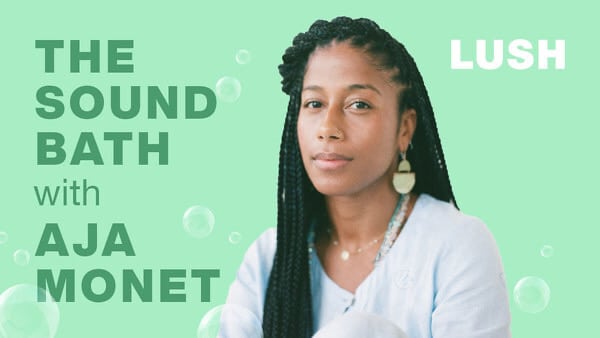
In The Sound Bath by LUSH, poet Aja Monet’s deeply personal interviews create a space for healing. Similarly, CBC’s The Heart uses raw, emotional storytelling to explore sisterhood, proving that audio connects in ways video often cannot.
3. Portability and Retention
Audio fits seamlessly into daily life—while commuting, cooking, or exercising. Unlike video, which requires undivided attention, audio allows for multitasking while still fostering deep emotional engagement.
A study by BBC Audio found that podcasts generate 22% higher emotional engagement and greater memory retention than other forms of media.

Why “Just Do Both” Doesn’t Work
Throwing your video podcast online as audio may seem efficient, but without adaptation, it risks alienating listeners—like the media equivalent of “nipple confusion.”
Here’s why:
- Visual elements like gestures or charts don’t translate to audio.
- Video pacing often feels slow in an audio format, where tighter edits are preferred.
Conversely, audio-first podcasts can fall flat as video, lacking the direct-to-camera energy and visual engagement video demands.
Successful video podcasting requires:
- Engaging visuals (e.g., animations or infographics).
- Direct camera address to connect with viewers.
- Platform optimization (e.g., bold thumbnails, interactive Q&A).
- High-quality production (lighting, sound).
Each medium’s storytelling potential—and audience needs—should drive the creative process.
The Future of Audio in a Video-Driven World
Spotify’s video pivot is exciting, offering new opportunities for creators. But audio storytelling remains unmatched in its depth and intimacy.
Video podcasts can grab attention, but well-crafted audio podcasts hold it by inviting listeners into a theatre of the mind. For brands, this “wake-up call” is a chance to embrace both mediums—using video to broaden reach while preserving the creative freedom and emotional impact of audio.