
with Steve Pratt, Author of the hit book Earn It

Home > Video podcasting > Remembering the first time we saw a conversation come alive on camera
3 min read
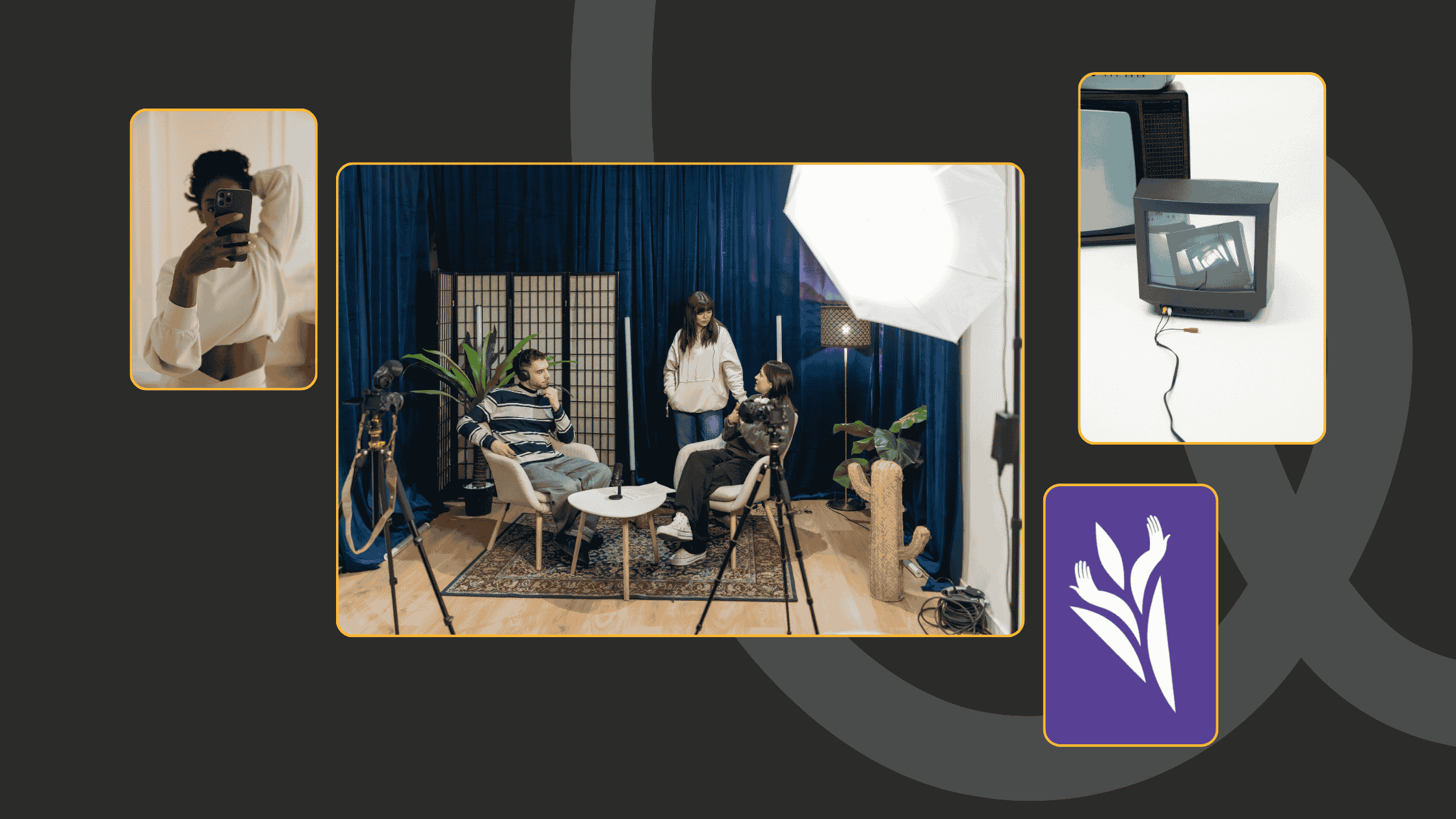
Collage of images used on blog post about BC Schizophrenia Society

Remembering the first time we saw a conversation come alive on camera

The BC Schizophrenia Society is a non-profit based in British Columbia, and one of the organizations we’re proud to work with at JAR Podcast Solutions.

They’re impressive for a simple reason: they have a clear, urgent mission. To destigmatize schizophrenia and other serious mental illnesses, and to advocate for the families and caregivers supporting people with lived experience.

It sounds straightforward. It isn’t.

Families navigating serious mental illness often face barrier after barrier in trying to get help. And the people at the centre of it all, those living with schizophrenia, are rarely asked for their perspective. When they are represented in media, it’s often in ways that feel reductive or demoralizing.

That’s why one particular moment from this project really stayed with me.

Why the shift from audio to video podcasting mattered

The podcast had just made the shift from audio to video. For a non-profit, that’s no small leap. Budgets are tight, and the priority is always direct impact.

But sharing stories of hope and recovery, even in the face of an illness widely acknowledged to be “incurable,” matters. And YouTube felt like the right place to reach out to a younger audience.

Still, the transition wasn’t simple.

The challenge of talking about Schizophrenia on camera

It meant inviting guests to speak, on video, about deeply personal experiences: mental health crises, hospitalization, hallucinations. These are not easy conversations to have, let alone record on camera.

But we pushed through. For moments like this.

YouTube video

The moment that stayed with me

In Episode 1, around the 20-minute mark, a guest called Abigail shares a quiet but powerful moment of emotional release.

After speaking calmly and thoughtfully about her experience of recovery within Schizoaffective disorder, something shifts. You see the weight of it, and the strength it took to move through it, come to the surface.

She talks matter-of-factly about living with delusions. About rebuilding. About starting a new job.

And in that moment, you can see both the struggle and the hope come through.

It’s subtle. But it’s real. And it’s right there on her face.

It was incredibly hard, but she did it. She’s living her version of recovery, and she’s damn proud.

What video can capture that audio cannot

These are the small, human moments that only show up on camera.

The lighting, the framing, the simplicity of the setup, an informed and sensitive interviewer… all of it creates the conditions for that kind of moment to emerge.

That’s what a video podcast can do when it’s working as intended. It creates space for people to be seen, not just heard.

And that’s why this work matters.

Why human moments like this matter

Because, as any family supporting someone with schizophrenia will tell you, progress isn’t linear. You have to pause and recognize the wins when they come.

And more broadly, we all need these moments of connection. They remind us what resilience actually looks like, and what it means to be human.
Have a question?

You’re in the right place!

Whether you need to refresh an existing show or launch something new, we can help.

Speak with Roger Nairn, our CEO, to find out how.

Contents
Related Posts
Image collage for article Podcast Formats for Business: How to Choose the One That Actually Works
Video podcasting
Roger Nairn
Podcast Formats for Business: How to Choose the One That Actually Works

Most branded podcasts fail long before production quality becomes the problem. This article explores how choosing the right podcast format, from interviews to narrative to hybrid video-first shows, is really a strategic business decision about audience, trust, and outcomes.

Image collage, used on the blog "Why Video Podcasts Work Better Than Audio-Only Conversations"
Video podcasting
Jen Moss
That Weird Little Detail That Ends Up Defining the Whole Show

Sometimes you can feel the exact moment a conversation changes. It stops feeling like something that is simply being recorded and starts feeling like something people will actually want to watch. A guest leans forward. Someone laughs harder than expected. A pause lands differently because you can see it in their face. These are the moments that explain why video podcasts work. They create a sense of presence, emotion and connection that audio alone cannot always deliver.

Video podcasting
Roger Nairn
Treating YouTube Like a Distribution Channel Is Costing You Growth

Most brands treat YouTube like a filing cabinet. Upload the episode, add a title, and move on. But YouTube is not an archive. It’s a recommendation engine driven by viewer behaviour. In this article, we break down why most branded podcasts struggle on the platform and what actually drives discovery, retention, and growth.

Video podcasting
Roger Nairn
The Backchannel Effect: How Video Podcasts Quietly Accelerate Deal Cycles

Today’s prospects quietly watch long-form video content to assess trust, expertise, cultural fit and whether your team actually knows its stuff. That makes your branded podcast a pre-sale intelligence tool, not a top-of-funnel asset. When buyers see your founder think through complexity, your product lead explain tradeoffs, or your subject matter experts talk honestly about challenges, they form deep impressions that compress deal cycles and eliminate objections upstream. This is the invisible edge. A podcast that answers unspoken questions, shows how your team thinks, and builds familiarity long before “Let’s hop on a call” gives you an advantage that decks and demos can’t touch.

Video podcasting
Roger Nairn
The Single-Voice Trap: Why Your CEO Shouldn’t Be Your Only Spokesperson

Edelman data shows 70% of journalists now prefer hearing from leaders other than the CEO, and Gen Z trusts brands more when they feature real people, not polished ads. Video podcasts give organizations a powerful alternative: a multi-voice platform where leaders think out loud, challenge each other, and reveal how decisions actually get made.

Join our upcoming webinar

The Podcast Discovery Playbook for 2026
Join Sounds Profitable’s Tom Webster and JAR’S CEO, Roger Nairn, for a live breakdown of the 2026 Podcast Discovery study — a granular look at how listeners find new podcasts, built from The Podcast Landscape, America’s largest publicly available study of podcast consumption.

Jun 18, 2026 11:00 AM in Vancouver