

Explore how branded podcasts can reshape corporate media by fostering trust, humor, and ethical storytelling.
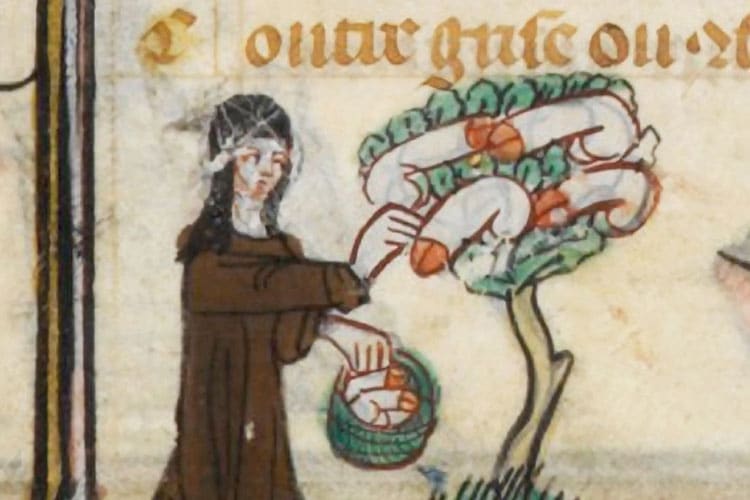
In 1487, Heinrich Kramer’s The Hammer of the Witches captivated Europe with sensational tales—like witches stealing penises and hiding them in birds’ nests. Naturally, it became a bestseller of the printing press era. Compare this to Copernicus’ On the Revolutions of Heavenly Spheres, a cornerstone of modern science that initially sold just 200 copies.
The lesson?
Sensationalism beats substance—at least in the short run.
Fast-forward to today, where corporate media operates in a fractured, fast-moving, AI-fueled landscape that amplifies sensational content. It’s easy for brands to bury their heads in the sand and ignore the impact of this problem. But brands have a unique opportunity right now to help shape a better narrative that serves their customers, and solidifies their relevance. Branded podcasts are a powerful tool for achieving this goal, offering a way for corporate media to shift from noise to meaningful storytelling.
The Digital Renaissance of Corporate Media
As Yuval Noah Harari explains in his latest book Nexus, the printing press ushered in an era of both enlightenment and sensationalism. Today’s AI-powered platforms, coupled with corporate media strategies, mirror this phenomenon by overwhelming audiences with unverified, attention-grabbing content.
But this doesn’t have to be the status quo. Brands can choose to be the curators that elevate meaningful conversations, adding value rather than noise.
Lessons from 2024: Trump vs. Harris in the Podcast Election
The 2024 U.S. election highlighted the power of targeted podcast strategies in a fractured landscape. YouTube pundits Colin and Samir tallied up both candidates’ pre-election appearances on Youtube podcasts alone.
- Donald Trump: Leveraging bro-podcast culture, similar to the Catholic Church’s savvy exploitation of anti-witch hysteria in Kramer’s time—surfing the wave of popular sentiment for influence,
Trump manspread himself across multiple studio couches, appearing on over 20 popular podcasts; shows like Joe Rogan and Theo Von, amassing 124 million YouTube views. - Kamala Harris: Opted for short, focused appearances on only a handful of shows. For instance, she appeared on Call Her Daddy, and The Breakfast Club. In the end she reached only 4 million views on YouTube. No doubt she had other duties as Vice President to attend to, but it was something of a missed opportunity.
For brands, the takeaway is clear: meet your audience where they are, not where you wish they’d be. Consider the value not “preaching to the converted” – but instead reaching into new audience sectors. And never underestimate the power of podcasts to sway hearts and minds.
Responsibility in Corporate Media
Corporate media wields immense influence over public discourse, and has the ability to stem the current tide of rampant misinformation. As Harari noted recently on Kara Swisher’s podcast, the same sensationalism that fueled The Hammer of the Witches still drives conspiracy movements like QAnon.
Why does this matter to brands? Unchecked, misinformation erodes trust and societal cohesion—ultimately harming businesses and communities alike. The solution is clear:
- Commit to Ethical Corporate Media Content: Ensure accuracy, diversity, and depth in storytelling.
- Prioritize Meaningful Dialogue: Facilitate conversations that inspire connection and understanding.
Branded Podcasts: The Future of Corporate Media
Branded podcasts aren’t just entertainment; they’re tools for connection and education in the corporate media landscape. For many audience members, they’re lifelines of sane, non-partisan communication in the midst of heightened or hysterical political discourse. By fostering authentic, well-researched storytelling, brands can:
- Build trust with audiences.
- Elevate public discourse through meaningful conversations.
- Stand out as ethical leaders in an era of fractured media.
- Offer alternatives to one-sided “bro-podcast” discourse.
Harari asks, “Is it possible to establish better curation institutions that use their power to further the pursuit of truth?” The answer lies partly in branded podcasts that celebrate diverse voices, fact-check rigorously, and model thoughtful dialogue.
The halo effect is real: audiences respect brands that invest in authentic, generous storytelling. By embracing professional media strategy and production, brands can avoid pitfalls while navigating the complexities of the media landscape.
Humor in Corporate Media: the Secret Weapon
George Orwell once wrote, “Every joke is a tiny revolution.” No wonder comedy dominates podcast charts—it’s engaging, relatable, and transformative.
In corporate media, humor, specifically, is a massive opportunity for brands. By embracing wit, satire, and relatability in their podcasts, brands can create content that informs while entertaining. Imagine a branded podcast that’s genuinely funny, educational, and inspiring—one that punches up, not down, and inspires laughter and critical thought in equal measure.
Ring Them Bells: A Call to Action for Corporate Media Leaders
Through branded podcasts, corporate media can lead a new digital revolution by creating meaningful, balanced, and entertaining content. This approach demonstrates a brand’s values and builds trust with audiences. It also builds a better world.
Drawing on Harari’s insights, Orwell’s humor, and lessons from history (yes, even from penis trees), corporate media can help usher in a new era of public trust and democratic engagement.
The stories brands tell today will shape the world they’ll operate in tomorrow. And that’s just good business.