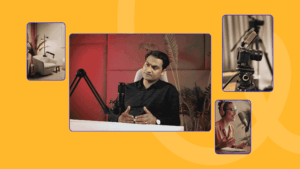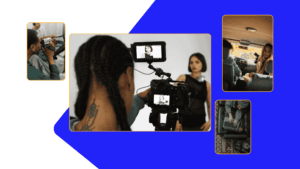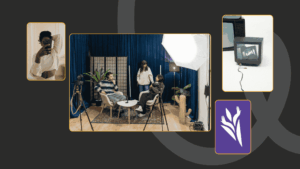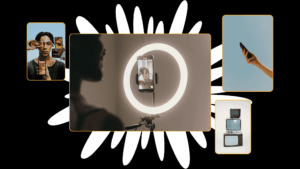

There’s a reason traditional branded content formats — like webinars and gated whitepapers — are struggling to keep up. Audiences today are tuned into a different rhythm: dynamic, visual, platform-native, and story-driven. They expect content that respects their time, adapts to their scrolling habits, and meets them where they are.
That’s why a forward-thinking arm of a major Canadian media company — one long dedicated to nurturing emerging storytellers — has now turned its attention to video podcasting.
For years, they’ve supported emerging filmmakers, digital creators, and regional producers with funding, training, and resources. In 2024, they recognized a shift: emerging creators — and their audiences — were moving toward video podcasting. Not just as a trend, but as an accessible, strategic medium that blends the intimacy of audio with the engagement power of video.
So they made a bold move: they launched their own video podcast — not just as a marketing tactic, but as an invitation to their community and a clear signal that they understood where media is headed.
Built for creators, designed for attention
The show was intentionally designed with the expectations of YouTube-savvy creators in mind:
- Time-coded chapters for easier access and reference
- Strong, dynamic openings that grab interest in the first 15 seconds
- Supporting visuals, text, graphics, and motion overlays to emphasize ideas without overwhelming them.
- Multi-cam remote recording and editing that helps avoid the dreaded “Brady Bunch on Zoom” vibe
- Bold thumbnail graphics and title strategies inspired by YouTube-native content
This wasn’t “bad TV,” and it wasn’t a radio show with a camera pointed at it. It was a podcast that went deep into topics of interest to the target audience, respected the audience’s changing attention span — and knew how to use the tricks of the visual medium just enough to hold attention and keep people locked on the story.
The learning curve behind the scenes
It wasn’t all seamless. Launching a video podcast gave the team a new appreciation for the creative challenges they’d seen their community of emerging creators navigate. Their own hosts were suddenly in the hot seat — learning how to deliver lines naturally on a teleprompter, set up professional-grade home studios, make confident eye contact with the camera, and guide meaningful, unscripted interviews.
In short, they weren’t just producing a show — they were living the experience of the very creators they aim to serve. That perspective shift deepened their respect for the craft and made the show feel more authentic to its audience.
Branded video podcasts: A format with flexibility
By embracing video podcasting, they created a content model that could stretch:
- Clips for TikTok or Instagram Reels
- Soundbites and video clips for executive LinkedIn posts
- Full episodes for YouTube, newsletters, or platform embedding
And most importantly, they created something that didn’t just tell emerging creators what to do — it showed them. It met them where they were.
If your brand is wondering where the next generation of media makers are spending their attention — it’s not in static webinars or PDF downloads. It’s in video. It’s in podcasts. It’s in the blend.
And when you see attention start to drop? That’s exactly where a smart, well-produced video podcast can pull your audience back in.